
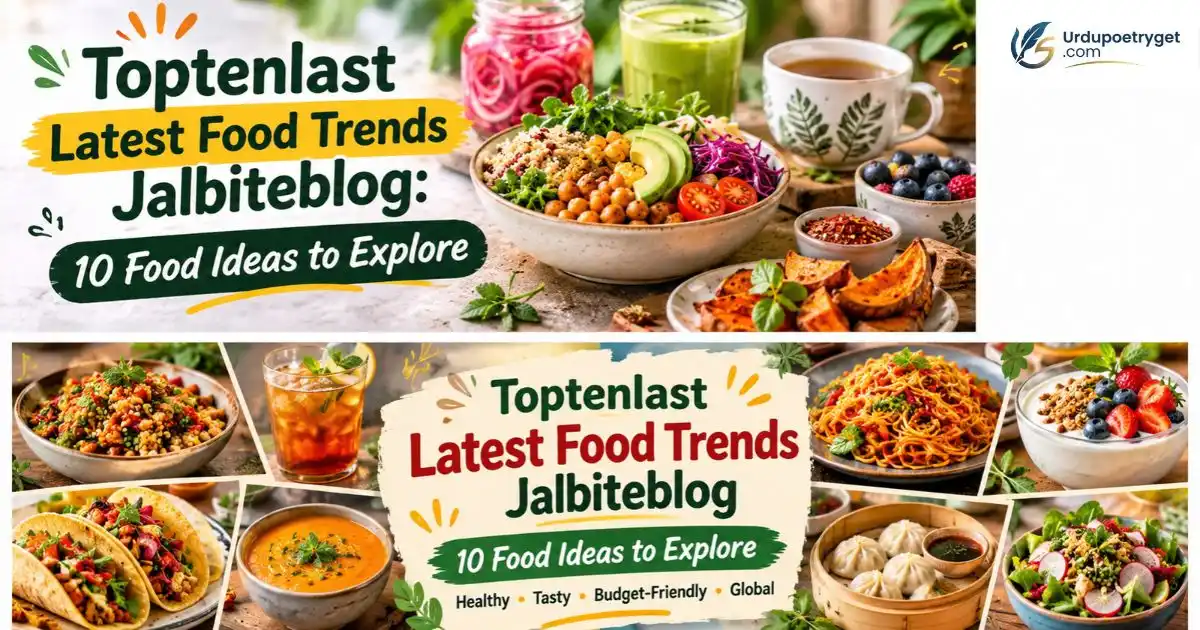
Toptenlast Latest Food Trends Jalbiteblog: 10 Food Ideas to Explore
Food trends in 2026 are moving toward fiber-rich meals, plant-forward ingredients, bold global flavors, convenient cooking, and more creative food experiences. From fermented vegetables and protein-balanced breakfasts to tea-based drinks and sweet-and-spicy combinations, today’s food culture combines health, flavor, affordability, and convenience.
The toptenlast latest food trends jalbiteblog topic brings together food ideas that readers can explore in everyday cooking. These trends reflect changing consumer interests, restaurant menus, grocery shopping habits, and social media conversations. They also show that people are increasingly interested in meals that are enjoyable, practical, and made with recognizable ingredients.
Whether you enjoy experimenting with international recipes, preparing healthier meals, or discovering new snacks, these ten food trends offer useful inspiration. You do not need expensive ingredients or complicated cooking techniques to explore them. Many can be adapted to your preferences, budget, and available ingredients.
The Top 10 Food Trends at a Glance
The leading food trends for 2026 cover several areas, including digestive wellness, plant-based meals, global cuisine, creative beverages, and convenient home cooking. Some focus on nutrition, while others emphasize flavor, texture, and affordability.
Industry forecasts from Whole Foods Market, Datassential, and the National Restaurant Association identify fiber, vinegar, global flavors, convenient meals, and value-conscious eating as important areas of interest in 2026.
Quick Comparison by Cost, Preparation Time, and Ease of Trying
The following table provides a simple overview of the ten food ideas and how easily you can incorporate them into your routine.
| Food trend | Typical cost | Preparation time | Ease of trying |
|---|---|---|---|
| Fiber-rich meals | Low | Short to medium | Easy |
| Plant-forward plates | Low to medium | Medium | Easy |
| Sweet-and-spicy flavors | Low | Short | Very easy |
| Global flavors | Medium | Medium | Moderate |
| Protein-balanced meals | Low to medium | Short | Easy |
| Tea and alcohol-free drinks | Low to medium | Short | Easy |
| Small bites and snack plates | Flexible | Short | Easy |
| Texture-first treats | Low to medium | Short to medium | Easy |
| Freezer-friendly meals | Flexible | Short | Very easy |
| Seasonal and low-waste cooking | Low | Variable | Easy |
Costs and preparation times depend on ingredients, location, and cooking methods. The table is a practical guide rather than a fixed price comparison.
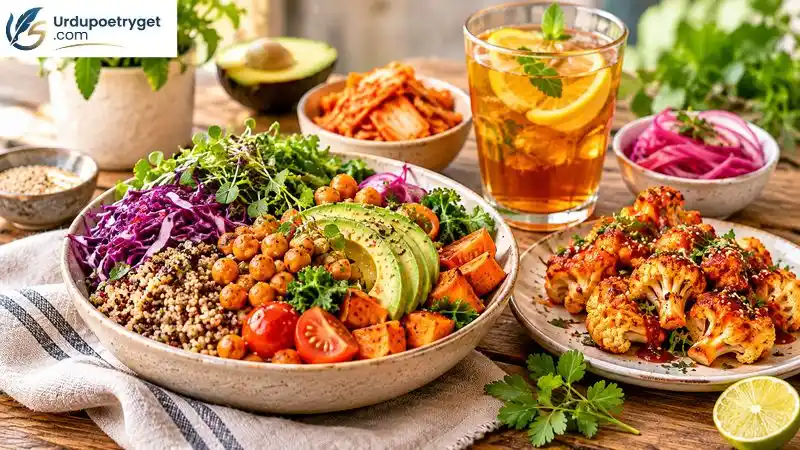
1. Fiber-Rich Meals and Gut-Friendly Ingredients
Fiber-rich eating is one of the major food trends attracting attention in 2026. More consumers are exploring beans, whole grains, vegetables, fruits, and other fiber-containing ingredients as part of balanced everyday meals.
The growing interest is often described as fibermaxxing, a social media term for intentionally adding more dietary fiber to meals. Datassential and Penn State Extension have highlighted this growing consumer interest in their 2026 food trend discussions.
Beans, Whole Grains, and Other Everyday Fiber Sources
Beans, lentils, oats, barley, vegetables, and whole-grain bread are practical ingredients for increasing dietary fiber. They are also versatile enough to fit into breakfast, lunch, dinner, and snacks.
For example, oatmeal with berries makes a convenient breakfast, while lentil soup provides a filling lunch. Black beans, chickpeas, and kidney beans can also be added to salads, rice bowls, and homemade wraps.
These ingredients offer more than nutritional variety. Many are affordable, easy to store, and suitable for batch cooking.
People who currently eat little fiber should increase their intake gradually and drink enough water. Individual dietary needs can differ, so people with digestive conditions may benefit from professional dietary advice.
Simple Ways to Add Fermented Foods to Meals
Fermented foods are another important part of modern food culture. Kimchi, sauerkraut, plain yogurt, kefir, and certain fermented vegetables are examples of ingredients that can add distinctive flavors to everyday meals.
You can include yogurt with breakfast, serve kimchi alongside rice, or add sauerkraut to a sandwich. These small additions introduce new tastes without requiring a complete change to your normal diet.
Fermented foods are not all nutritionally identical. Their ingredients, preparation methods, salt content, and whether they contain live cultures can vary.
The goal is to explore different foods while making choices that suit your preferences.
2. Plant-Forward Plates With Familiar Ingredients
Plant-forward eating focuses on making vegetables, fruits, legumes, and whole grains important parts of everyday meals. It does not necessarily mean eliminating meat, dairy, or other animal products.
This flexible approach is attracting attention because it allows people to explore more ingredients while maintaining familiar eating habits.
Building Meals Around Vegetables, Lentils, and Grains
A plant-forward plate can include roasted vegetables, brown rice, lentils, beans, and a flavorful dressing. These ingredients provide different textures and flavors without requiring complicated recipes.
For example, you could prepare a bowl with roasted sweet potatoes, chickpeas, spinach, and tahini dressing. Another option is a vegetable stir-fry served with brown rice or noodles.
Mushrooms, cauliflower, eggplant, and zucchini are also useful ingredients because they can be grilled, roasted, sautéed, or incorporated into soups.
Rather than treating vegetables as a small side dish, this food trend encourages cooks to make them a central part of the meal.
Exploring Cabbage and Seasonal Produce
Cabbage is receiving attention for its affordability, versatility, and ability to work in different cuisines. It can be eaten raw, roasted, stir-fried, fermented, or added to soups.
Green cabbage, red cabbage, and napa cabbage offer different textures and cooking possibilities. They are commonly used in coleslaw, kimchi, vegetable rolls, salads, and noodle dishes.
Seasonal produce is another important part of plant-forward cooking. Choosing fruits and vegetables that are readily available can make meals more affordable while adding variety throughout the year.
Cabbage, carrots, leafy greens, squash, and other seasonal vegetables can help create satisfying meals without relying on expensive specialty products.
3. Sweet-and-Spicy Flavors and Tangy Condiments
Sweet-and-spicy combinations are bringing new excitement to snacks, sauces, restaurant dishes, and homemade recipes. These flavors combine sweetness with heat, creating a contrast that can make familiar foods more interesting.
Hot honey, chili crisp, mango with chili, and spicy fruit sauces are examples of combinations that food enthusiasts can explore.
Flavor Combinations to Explore
One popular approach is combining honey with chili flakes or hot sauce. This mixture can be used on roasted vegetables, pizza, chicken, and sandwiches.
Fruit also works well with spicy ingredients. Mango with lime and chili seasoning, for example, creates a combination of sweetness, acidity, and heat.
Other ideas include:
- Sweet chili sauce with grilled vegetables.
- Hot honey drizzled over roasted chicken.
- Pineapple salsa with spicy tacos.
- Chili oil added to noodles.
- Spicy fruit dressings for fresh salads.
The important idea is balance. Sweetness can soften strong heat, while citrus and vinegar can add freshness.
Using Pickles, Vinegar, and Sauces in Everyday Cooking
Tangy condiments are becoming an important part of modern cooking. Vinegar, pickles, fermented hot sauces, and citrus-based dressings can add acidity to meals and balance rich or sweet ingredients.
Whole Foods Market identified vinegar as one of its 2026 food trends, highlighting its use in dressings, beverages, sauces, and creative condiments.
Apple cider vinegar, balsamic vinegar, rice vinegar, and red wine vinegar each have different flavor profiles. They can be used in marinades, salad dressings, dipping sauces, and pickling recipes.
Pickled onions are another simple addition. They can improve the flavor of sandwiches, tacos, burgers, and grain bowls.
Although vinegar appears in wellness discussions, it should primarily be treated as a culinary ingredient rather than a proven treatment for medical conditions.
4. Global Flavors and Regional Food Discovery
Global food exploration is introducing more people to ingredients and cooking traditions from different parts of the world. Restaurant menus, food blogs, travel content, and social media have helped audiences discover dishes beyond their familiar cuisines.
South Asian, Korean, Mexican, Middle Eastern, and Southeast Asian flavors are examples of the culinary influences appearing in contemporary food discussions.
Exploring South Asian Ingredients and Dishes
South Asian cuisine offers a wide range of ingredients, spices, and cooking methods. Turmeric, cumin, coriander, cardamom, curry leaves, ginger, and chili are commonly used in different regional dishes.
Indian regional cuisines are particularly interesting because their ingredients and flavors vary considerably.
For example, Kerala cuisine is known for combinations involving coconut, seafood, rice, vegetables, and aromatic spices. Datassential identified Keralan cuisine as an important cuisine to know in its 2026 food and beverage trends report.
Other dishes worth exploring include:
- Vegetable biryani.
- Chana masala.
- Lentil dal.
- Coconut-based vegetable curry.
- Tandoori-style grilled vegetables.
- Spiced chickpea wraps.
These meals demonstrate how traditional ingredients can create flavorful dishes without relying on complicated techniques.
Trying Regional Recipes While Respecting Their Origins
Exploring international food should involve more than copying a popular recipe from social media. Understanding its cultural background, traditional ingredients, and regional variations makes the experience more meaningful.
For example, Korean kimchi, Mexican mole, Indian dal, and Japanese miso soup each have distinctive culinary histories. They should not be treated as interchangeable examples of exotic food.
Home cooks can adapt recipes based on ingredient availability, but it is useful to acknowledge the original cuisine and avoid presenting one simplified version as representative of an entire culture.
Food discovery becomes more rewarding when flavor experimentation is combined with cultural appreciation.
5. Protein-Balanced Breakfasts and Everyday Meals
Protein continues to influence food choices, particularly in breakfast products, snacks, and convenient meals. Many people are looking for satisfying options that combine protein with fiber, healthy fats, and other essential nutrients.
A balanced meal does not need to depend on expensive protein supplements or highly processed products.
Breakfast Ideas Beyond Protein Powders and Bars
Traditional breakfast ingredients can provide convenient protein options. Eggs, plain Greek yogurt, milk, cottage cheese, nuts, and seeds can all be included in different breakfast combinations.
Some practical ideas include:
- Scrambled eggs with whole-grain toast.
- Greek yogurt with berries and nuts.
- Oatmeal topped with peanut butter.
- Cottage cheese with fruit.
- Chickpea breakfast wraps.
- Tofu scramble with vegetables.
These meals can be adjusted according to personal taste and dietary requirements.
Combining protein with whole grains or fruit can also create a more varied breakfast than relying on a single ingredient.
Combining Plant and Animal Protein Options
Protein can come from both animal and plant-based foods. Chicken, fish, eggs, and dairy products are common animal sources, while lentils, beans, tofu, nuts, and seeds provide plant-based alternatives.
A flexible approach allows people to explore different combinations.
For example, a rice bowl could include grilled chicken, vegetables, and beans. A vegetarian version could use tofu or chickpeas instead.
The best choice depends on nutritional needs, allergies, preferences, and budget. Variety is often more practical than following a single protein trend.
6. Tea Rituals and Low- or No-Alcohol Drinks
Tea and alcohol-free beverages are becoming more visible in food and drink discussions. Consumers are exploring drinks that provide interesting flavors and enjoyable social experiences without always relying on alcoholic beverages.
Datassential’s 2026 trends report highlights the return of afternoon teatime and growing interest in tea-based cocktails and mocktails.
Tea-Based Drinks and At-Home Tea Experiences
Tea can be enjoyed in traditional hot preparations, iced beverages, and creative specialty drinks. Matcha, green tea, black tea, herbal infusions, and chai offer different flavors and preparation styles.
At home, you can experiment with:
- Iced green tea with lemon.
- Matcha with milk.
- Traditional masala chai.
- Mint and herbal tea.
- Fruit-infused iced tea.
- Unsweetened cold-brew tea.
Tea can also become part of a relaxing afternoon routine. Pairing it with a small snack creates a simple alternative to elaborate coffee-shop drinks.
Alcohol-Free Options Beyond Sugary Mocktails
Alcohol-free drinks are moving beyond basic fruit juice mixtures. Modern mocktails often use herbs, spices, citrus, tea, sparkling water, and flavorful syrups.
For example, a cucumber and mint drink can be prepared with lime juice and sparkling water. Another option is a hibiscus-based beverage with citrus and a small amount of sweetener.
These combinations provide variety without requiring alcohol.
People who want to reduce their alcohol consumption can explore such beverages at home, restaurants, and social gatherings. However, alcohol-free products should still be checked for added sugar and other ingredients.
7. Small Bites, Snack Plates, and Flexible Portions
Small bites and snack-style meals offer another way to make everyday eating more flexible. Instead of preparing one large dish, people can combine several smaller foods into a varied meal.
This approach is useful for busy schedules, casual gatherings, and situations where people want more variety.
Putting Together a Varied Small-Plate Meal
A small-plate meal can include vegetables, dips, whole-grain crackers, cheese, fruit, nuts, and a protein source.
For example, a homemade snack board might contain hummus, cucumber slices, boiled eggs, whole-grain crackers, and fresh grapes.
Other options include mini sandwiches, vegetable wraps, roasted chickpeas, and small portions of grilled chicken.
The advantage is flexibility. You can use ingredients already available in your kitchen and create different combinations without preparing a complicated recipe.
Adapting Portions to Appetite, Budget, and Occasion
Small portions can be adjusted according to appetite and the type of occasion. A light afternoon snack may require only a few ingredients, while a complete small-plate dinner should provide enough food to meet individual needs.
For family meals, several dishes can be served together so everyone can choose different combinations.
Budget also matters. Beans, seasonal vegetables, homemade dips, and boiled eggs can help create affordable snack plates.
The focus should be on variety and convenience rather than assuming that smaller portions are automatically healthier.
8. Texture-First Treats and Familiar Comfort Foods
Food is not only about taste. Texture also influences how people experience a meal, from the crunch of fresh vegetables to the creaminess of a dessert.
Texture-first foods combine different sensations to make familiar dishes more interesting. Crispy, chewy, creamy, crunchy, and soft ingredients can all contribute to a more enjoyable eating experience.
Exploring Crunchy, Chewy, and Creamy Combinations
A simple example is a yogurt bowl containing crunchy granola, soft berries, and creamy nut butter. Another is a sandwich that combines toasted bread, fresh vegetables, and a smooth spread.
Desserts also use contrasting textures. Chocolate with crunchy nuts, creamy cheesecake with a crisp base, and chewy mochi are examples of popular texture combinations.
Food industry reporting has also highlighted growing consumer interest in contrasting textures, including crispy, gooey, and chewy products.
These combinations show how a familiar recipe can feel new without requiring unusual ingredients.
Giving Traditional Favorites a Creative Twist
Comfort food remains important because familiar meals can provide enjoyment and a sense of nostalgia. In 2026, restaurant forecasts also highlight the combination of traditional comfort foods with global flavors.
For example, homemade burgers can be topped with spicy sauces, while traditional noodles can be served with vegetables and flavorful condiments.
Other creative ideas include:
- Spiced roasted potatoes.
- Vegetable-loaded grilled sandwiches.
- Crispy chickpea snacks.
- Homemade noodle bowls.
- Fruit-based desserts with crunchy toppings.
The goal is to improve familiar dishes through small changes rather than replacing traditional recipes entirely.
9. Freezer-Friendly Meals and Convenient Home Cooking
Freezer-friendly food is becoming an important part of convenient home cooking. Frozen vegetables, ready-to-cook ingredients, prepared sauces, and restaurant-inspired meals help people save time without preparing everything from scratch.
Whole Foods Market identified Freezer Fine Dining as one of its 2026 food trends, pointing to interest in higher-quality frozen meals and appetizers.
Combining Frozen Ingredients With Fresh Additions
Frozen food can be used as the foundation of a meal and improved with fresh ingredients.
For example, frozen vegetables can be combined with cooked rice, herbs, and a homemade sauce. Frozen dumplings can be served with fresh cucumber, vegetables, and a dipping sauce.
Other convenient combinations include:
- Frozen berries with yogurt and oats.
- Frozen vegetables with whole-grain pasta.
- Frozen fish with roasted seasonal vegetables.
- Frozen soup with fresh herbs.
- Frozen fruit for smoothies.
Frozen ingredients can offer convenience and reduce preparation time. Their nutritional value varies by product, so checking ingredient lists and added sauces is useful.
Batch Cooking and Meal Prep for Busy Schedules
Batch cooking involves preparing larger quantities of food that can be stored and used across several meals.
For example, cooking a pot of lentils can provide ingredients for soup, grain bowls, wraps, and salads throughout the week.
Meal preparation can also include washing vegetables, cooking grains, preparing sauces, and dividing meals into suitable storage containers.
Food safety remains important. Refrigerate perishable food promptly, use suitable airtight containers, and follow reliable storage and reheating guidance.
A practical meal-prep routine can reduce last-minute cooking decisions and make home meals easier to manage.
10. Budget-Conscious, Seasonal, and Low-Waste Cooking
Affordability and sustainability are important parts of modern food choices. People are increasingly interested in meals that provide good value, use available ingredients, and reduce unnecessary food waste.
The National Restaurant Association’s 2026 culinary forecast identifies value and local sourcing among important foodservice trends.
Choosing Ingredients That Work Across Several Meals
Buying ingredients that can be used in multiple recipes makes grocery shopping more efficient.
For example, a bag of carrots can be used in soups, salads, roasted vegetable dishes, and rice bowls. Beans can become part of wraps, stews, and grain-based meals.
Other versatile ingredients include:
- Oats.
- Rice.
- Lentils.
- Potatoes.
- Eggs.
- Seasonal vegetables.
- Frozen fruit.
- Canned tomatoes.
Choosing ingredients based on availability and price can help reduce grocery expenses without limiting meal variety.
Making Better Use of Leftovers and Food Scraps
Reducing food waste starts with planning meals and storing ingredients correctly.
Leftover vegetables can be added to soups, omelets, or stir-fries. Cooked rice can be used in a new meal when it has been cooled, refrigerated, and handled safely.
Vegetable trimmings may also be suitable for homemade stock, depending on their condition and cleanliness.
A simple weekly plan can help households use ingredients before they spoil. It also makes grocery shopping more organized.
Low-waste cooking does not require expensive equipment. It mainly depends on thoughtful shopping, suitable storage, and creative use of ingredients.
How to Try These Food Ideas in Your Own Kitchen
Exploring food trends does not require changing your entire diet or purchasing every new product. The most practical approach is to select ideas that fit your schedule, budget, cooking experience, and personal preferences.
Start With One Recipe or Ingredient
Begin with one new ingredient or cooking idea rather than attempting several trends at once.
If you are interested in fiber-rich meals, try adding beans to a familiar recipe. If you enjoy international flavors, prepare a simple curry or experiment with a new spice blend.
Small changes make it easier to discover which foods you genuinely enjoy.
Make Affordable Substitutions With Locally Available Foods
Not every trending ingredient is available or affordable everywhere. Fortunately, many food ideas can be adapted using familiar alternatives.
For example, you can replace expensive specialty grains with oats, brown rice, or other locally available whole grains. Seasonal vegetables can also replace imported produce in many recipes.
Similarly, homemade sauces and dressings can be less expensive than specialty packaged products.
The purpose of a food trend is to inspire new ideas, not create unnecessary grocery expenses.
Adapt Recipes for Dietary Needs and Allergies
Food trends should be flexible enough to accommodate different dietary requirements.
People with food allergies can substitute ingredients when safe alternatives are available. Those following vegetarian or vegan diets can choose plant-based proteins, while people limiting certain ingredients can adjust recipes accordingly.
Always check product labels, particularly for packaged sauces, seasonings, frozen meals, and fermented products.
If you have a medical condition or specific dietary restriction, consult a qualified healthcare professional or registered dietitian before making major dietary changes.
How to Tell a Useful Food Trend From a Passing Fad
Not every popular food deserves a permanent place in your kitchen. Some trends offer practical ideas that can become part of everyday cooking, while others attract attention mainly because they look interesting online.
Understanding the difference helps readers make better food choices.
A visually appealing recipe may attract thousands of views, but popularity does not automatically mean that it is practical, affordable, or nutritious.
Before trying a viral food idea, consider its ingredients, preparation method, and suitability for your lifestyle.
A simple bean recipe may provide more everyday value than an expensive novelty snack, even if the latter receives more attention online.
Food photography can inspire experimentation, but the actual recipe should determine whether a dish is worth preparing.
Check Nutrition Claims, Sources, and Publication Dates
Nutrition information should come from credible sources rather than unsupported social media claims.
Check whether an article explains its ingredients, provides realistic nutritional information, and references reliable research where necessary.
Publication dates are also important because food trends change over time. A recipe that was popular several years ago may not represent current consumer interests.
Be especially careful with claims that a single ingredient can cure digestive problems, control blood sugar, or guarantee weight loss.
Food can contribute to a balanced lifestyle, but individual ingredients should not be presented as medical treatments.
Consider Taste, Cost, Accessibility, and Long-Term Practicality
A useful food trend should work beyond a single social media post.
Consider whether you enjoy the flavor, can afford the ingredients, and can prepare the recipe without unnecessary difficulty.
Accessibility is also important. A trend based on expensive imported products may be less practical than one using beans, vegetables, grains, and other everyday foods.
The most valuable food ideas are often those that can be adapted and repeated without creating extra expense or inconvenience.
Exploring Food Trends Through Jalbiteblog and Justalittlebite Searches
Search phrases such as food JalbiteBlog trend, toptenlast latest food trends Jalbiteblog, and from Justalittlebite food trends Jalbiteblog reflect interest in discovering food ideas through online content.
For readers, the important part is understanding the difference between a search keyword, an original recipe publisher, and a verified food industry trend.
JalbiteBlog and Justalittlebite should not automatically be treated as the originators of every food trend mentioned in online search results. Readers should identify the actual publisher and source before accepting claims about a recipe or culinary development.
Identify the Original Publisher and Recipe Source
When discovering a recipe through a food blog or search engine, check the original article rather than relying only on a short description or copied social media post.
Look for the author’s name, publication date, ingredient list, preparation instructions, and any supporting references.
For food industry predictions, consult established research and reporting from organizations such as Whole Foods Market, the National Restaurant Association, and Datassential.
This helps distinguish a genuine industry forecast from an individual blogger’s opinion or a popular online recipe.
Separate Firsthand Recipe Testing From Repeated Online Claims
A recipe that has been tested by its author provides different information from a trend claim repeated across several websites.
Firsthand recipe testing can help readers understand preparation time, ingredient substitutions, texture, flavor, and possible cooking difficulties.
However, a blogger’s personal experience should not automatically be treated as scientific nutrition evidence.
The best food content combines practical cooking experience with accurate information and transparent sourcing. This approach helps readers discover new recipes while making informed decisions about what they eat.
Final Takeaway: Choose Food Trends That Fit Your Everyday Life
The latest food trends in 2026 reflect a combination of health interests, global culinary discovery, convenience, affordability, and creativity. Fiber-rich meals, plant-forward plates, sweet-and-spicy flavors, tea-based drinks, freezer-friendly cooking, and low-waste recipes are among the ideas worth exploring.
However, following every popular food trend is unnecessary. A better approach is to choose ingredients and recipes that match your taste, budget, nutritional needs, and available cooking time.
Start with one new meal, experiment with familiar ingredients, and discover which ideas work best in your kitchen. The most valuable food trend is not necessarily the most viral one; it is the one that makes everyday eating more enjoyable, practical, and balanced.